






ATLAS CORPORATION, ALBANIA’S VOICE AT THE GLOBAL GRAINS FORUM IN GENEVA
Vice President Aurel Domi: The Balkans and Albania – an important corridor for agricultural trade flows
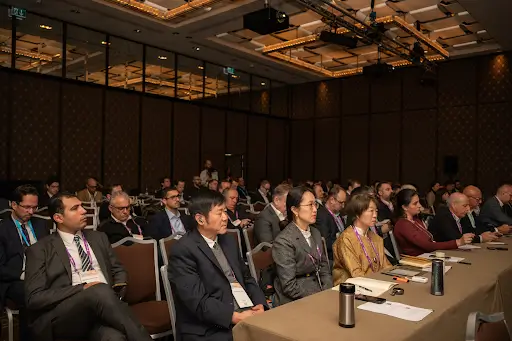
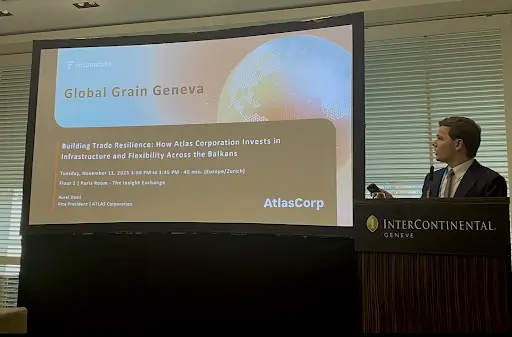
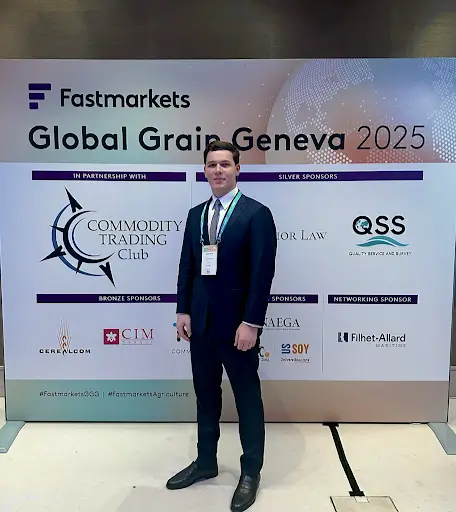
The largest producer of flour and agricultural food products in Albania, Atlas Corporation, participated in Global Grain Geneva – the world’s leading grains forum, held in Geneva, Switzerland. Atlas Corporation’s Vice President, Aurel Domi, emphasized that the Balkans is positioned to become a highly important corridor for agricultural trade flows, while the business group he represents is accelerating investments in logistics, processing, and storage capacities across Albania and the Western Balkans.
The forum brought together representatives from the world’s largest corporations in grain cultivation, processing, and trading, who shared their experiences. Global Grain Geneva serves as a platform for building global partnerships, at a time when wheat supply networks have gained particular significance. Industry delegates at the Geneva event – attracting traders, transporters, and analysts from well-known global firms including Cargill, Bunge, ADM, as well as institutions like the World Bank and the United Nations – noted that the growing interest in Balkan infrastructure reflects the changing dynamics of trade, driven by geopolitical disruptions and evolving European demand patterns.
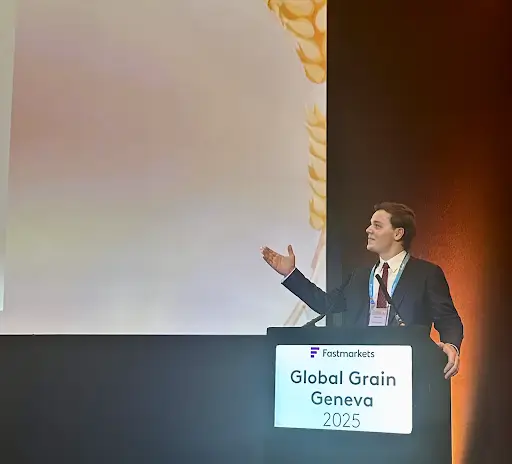
Mr. Domi also had the opportunity to meet with investors from Europe and the United States, who expressed interest in collaborating with Atlas Corp and investing in the Balkans.
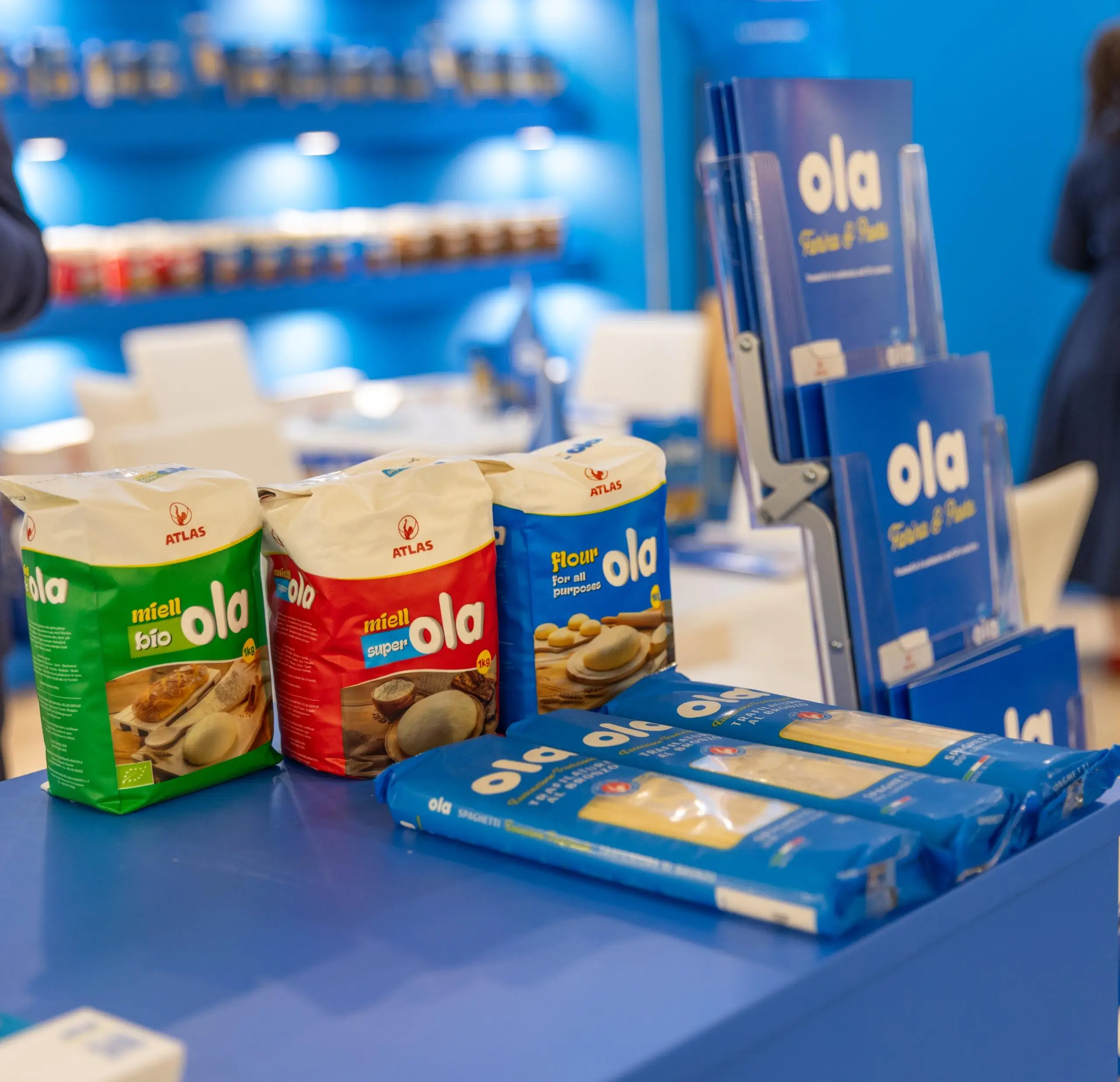
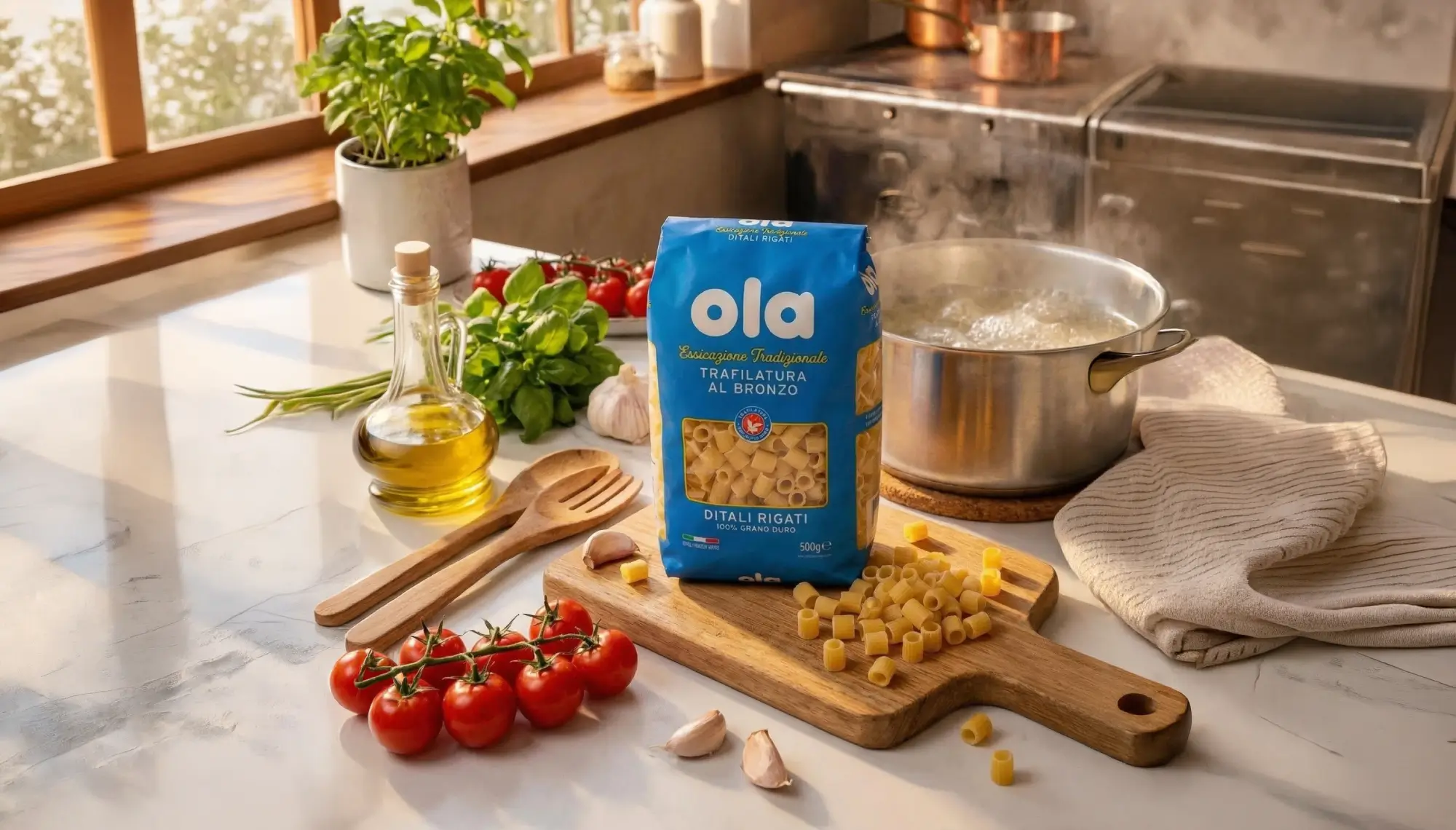
In his speech, Mr. Domi emphasized that Atlas is building a long-term infrastructure platform designed to reduce supply instabilities and strengthen the resilience of the food market in Southeastern Europe. Operating across milling, food production, agricultural inputs, and distribution, Atlas Corp is expanding its integrated capacities through its units Atlas Mills, Ola Foods, and Besniku Shpk. The strategy includes modern storage facilities, upgraded processing plants, and industrial operations supported by renewable energy.
“The region’s exposure to external price shocks highlights the need for resilient and diversified infrastructure,” Mr. Domi stated during a panel discussion on trade sustainability. “Atlas is investing to create flexibility across all supply routes, origins, and processing lines,” he added.
The Growing Role of Albania in Regional Flows
Historically a smaller player in European grain markets, Albania is emerging as an increasingly active hub as private sector investments accelerate. Mr. Domi highlighted that Atlas’s infrastructure platform reduces costs and logistical frictions, supporting both domestic supply and regional redistribution during periods of instability.
An Integrated Model
Atlas Corporation’s model connects commodity handling with food production and distribution across the entire value chain, giving the company operational flexibility for both spot volumes and contracted shipments. Mr. Aurel Domi emphasized that the company’s multi-layered structure reduces exposure to single-route disruptions while enabling rapid reallocation during market movements.
Long-Term Positioning
With grain and oilseed markets expected to remain sensitive to transport disruptions and climate-related supply risks, Atlas positions its infrastructure as a strategic asset rather than merely an operational investment.
“Sustainability is becoming a competitive advantage,” said Mr. Domi. “Our focus is on building systems that prevent instability, rather than reacting to it.”
Fastmarkets Global Grain Geneva attracts over 800 delegates from more than 60 countries, making it the most influential annual gathering for global agricultural commodities leaders and policymakers.
For more information, visit:
https://www.fastmarkets.com/events/global-grain-geneva-2025/speakers/